
A wedding begins long before the first guest arrives.
It begins with conversations around dining tables, late-night discussions with family, venue visits, Pinterest boards, saved Instagram posts, and the excitement of imagining a celebration that reflects the couple’s story.
Yet while every couple starts with a vision of a beautiful wedding, the planning journey often introduces challenges they never anticipated.
Interestingly, most wedding planning mistakes are not dramatic or obvious.
- They are subtle decisions made months before the wedding day.
- Decisions that seem insignificant at the time.
- A venue chosen too quickly.
- A budget stretched too far.
- An overcrowded schedule.
- A focus on aesthetics while overlooking guest comfort.
- Individually these choices may appear small.
- Collectively, they can influence the entire experience.
At Milaap Weddings, founder Ankit Makwana has spent years helping couples navigate these decisions. While every wedding is unique, certain patterns appear repeatedly.
The good news is that most of these mistakes are entirely avoidable when recognised early.
When the Venue Is Chosen Before the Experience Is Understood
The Moment Every Couple Falls in Love With a Venue
(Opening section)
- Venue photos.
- Instagram.
- Dreaming.
- Excitement.
Beautiful Photographs Don’t Always Tell the Complete Story
(Venue vs actual experience)
- Guest flow.
- Accessibility.
- Logistics.
Looking Beyond the View
(Venue selection considerations)
- Rooms.
- Movement.
- Comfort.
- Function spaces.
The Experience Between the Events Matters Too
(Breakfasts, family time, guest interactions)
One of the strongest sections.
When Trends Start Influencing Decisions
(Celebrity weddings.
Instagram venues.
Social media influence)
Choosing a Venue That Supports Your Vision
(How planners think)
Bring Milaap & Ankit Makwana insight.
What Guests Remember Long After the Wedding Ends
(Emotional closing section)
- Memories.
- Comfort.
- Experience.
- See the difference?
- Instead of:
❌ 1 long block of text
Reader sees:
✅ The Moment Every Couple Falls in Love With a Venue
➡️ Interesting, wants to read
✅ Beautiful Photographs Don’t Always Tell the Complete Story
➡️ Curious, keeps reading
✅ What Guests Remember Long After the Wedding Ends
➡️ Emotional hook
For the entire blog, every major chapter can have 4-6 mini headings.
Example:
Trying to Create a Wedding for Everyone Instead of Yourselves
Inside:
- When Too Many Opinions Enter the Conversation
- The Pressure of Family Expectations
- Social Media Has Made Weddings More Public Than Ever
- Somewhere Along the Way, the Couple Gets Lost
- The Most Memorable Weddings Feel Personal
Trying to Create a Wedding for Everyone Instead of Yourselves
When Too Many Opinions Enter the Conversation
Every wedding begins with two people.
Two individuals who have imagined their celebration in their own unique way.
- In the early stages of planning, these ideas often feel exciting and personal.
- Then the conversations begin.
- Family members share suggestions.
- Friends offer advice.
- Relatives recommend traditions.
- Social media introduces endless inspiration.
- Before long, what started as a vision created by the couple begins to absorb the expectations of everyone around them.
- The challenge is not that these opinions come from a bad place.
- Most are shared with love, excitement, and genuine enthusiasm.
- Parents want the wedding to reflect family values.
- Friends want memorable celebrations.
- Relatives want cherished traditions to be included.
- Everyone wants the wedding to be successful.
- Yet when too many voices influence every decision, the original vision can slowly become difficult to recognise.
- And this is where one of the most common wedding planning mistakes begins.
- Not through conflict.
- But through compromise without clarity.
The Pressure of Family Expectations
Weddings have always been about more than the couple.
- They bring together families, traditions, cultures, and generations.
- This is part of what makes weddings so meaningful.
- It is also what makes planning them complex.
- Parents often carry dreams of their own.
- Perhaps they have imagined their child’s wedding for years.
- Perhaps they want certain customs to be honoured.
- Perhaps they feel responsible for creating an experience that reflects the family’s values and reputation.
- These feelings are completely natural.
- The challenge arises when expectations begin replacing conversations.
- A couple may prefer a smaller guest list.
- Parents may envision a larger gathering.
- The couple may want a destination celebration.
- The family may prefer a traditional hometown wedding.
- The couple may prioritise experiences.
- The family may focus on scale.
- Neither perspective is necessarily wrong.
- Problems occur when these differences remain unresolved until late in the planning process.
- At Milaap Weddings, Ankit Makwana often encourages families to begin with open conversations rather than assumptions.
- Because weddings are at their best when they feel collaborative rather than divided.
- The goal should never be to determine whose vision wins.
- The goal should be to create a celebration that honours both the couple and the people who helped shape their journey.
Social Media Has Made Weddings More Public Than Ever
A generation ago, wedding inspiration came from family weddings, magazines, and personal experiences.
Today, inspiration is endless.
Every day couples are exposed to celebrity weddings, luxury destination celebrations, viral décor concepts, elaborate entrances, curated wedding films, and perfectly edited social media content.
- While inspiration can be valuable, it can also create pressure.
- Couples begin comparing.
- They wonder whether their celebration is grand enough.
- Unique enough.
- Photogenic enough.
- Trending enough.
- Slowly, decisions become influenced by visibility rather than meaning.
- A décor concept is chosen because it performed well online.
- An entrance is planned because it looked impressive in a reel.
- A trend is adopted because everyone seems to be talking about it.
- Yet the most memorable weddings are rarely those that chase every trend.
- They are the ones that feel authentic.
- Guests may admire a trend.
- But they connect with a story.
- And stories are personal.
- Not borrowed.
Somewhere Along the Way, the Couple Gets Lost
One of the saddest moments in wedding planning occurs when couples become guests in their own celebration.
It happens more often than people realise.
Months are spent discussing budgets, logistics, guest lists, décor concepts, entertainment, accommodation, and family expectations.
- The focus shifts toward managing details.
- And somewhere within that process, the reason for the celebration begins to fade into the background.
- The wedding becomes about pleasing everyone.
- Meeting expectations.
- Avoiding disappointment.
- Managing perceptions.
- Instead of celebrating a relationship.
- The irony is that guests rarely notice many of the details couples worry about.
- They do not compare floral arrangements.
- They do not analyse seating plans.
- They do not evaluate whether a wedding followed the latest trends.
- They remember something far more important.
- They remember the atmosphere.
- The energy.
- The emotions.
- The authenticity.
- When a wedding feels genuine, people feel it immediately.
- And when a wedding feels designed primarily to satisfy expectations, they often sense that too.
The Most Memorable Weddings Feel Personal
Think back to weddings you have attended over the years.
Chances are, the celebrations that remain vivid in your memory are not necessarily the most extravagant.
- They are the ones that felt personal.
- The speech that made everyone laugh.
- The family tradition that brought generations together.
- The couple who remained relaxed and present throughout the celebration.
- The intimate moments shared between events.
- The experiences that reflected who the couple truly were.
- These are the details that create lasting memories.
At Milaap Weddings, planning discussions often return to a simple question:
“If your guests remembered only three things about your wedding ten years from now, what would you want those things to be?”
- The answer rarely involves trends.
- It rarely involves extravagance.
- It almost always involves people.
- Family.
- Relationships.
- Experiences.
- Moments.
And that is precisely why weddings should never become exercises in pleasing everyone.
Because the most beautiful celebrations are not those that satisfy every opinion.
They are the ones that remain true to the people at the heart of the story.
Finding the Balance Between Expectations and Authenticity
Of course, weddings will always involve compromise.
- Families matter.
- Traditions matter.
- Relationships matter.
- Ignoring every opinion is not the solution.
- Neither is accepting every suggestion.
- The most successful weddings find a balance.
- They honour important traditions while embracing modern ideas.
- They respect family expectations while preserving the couple’s identity.
They create space for loved ones while remaining true to the vision that inspired the celebration in the first place.
At Milaap Weddings, Ankit Makwana believes that the goal of wedding planning is not to create a celebration that pleases everyone equally.
It is to create a celebration that feels meaningful to the people whose story is being celebrated.
Because long after the music has ended and the photographs have been shared, what remains is not whether every opinion was accommodated.
What remains is the memory of a wedding that felt genuine.
A wedding that reflected the couple.
A wedding that felt like theirs.
And in the end, that is often what makes a celebration truly unforgettable.
Focusing on Décor While Overlooking Hospitality
The First Impression That Everyone Notices
Few elements of a wedding create excitement quite like décor.
Long before the first event takes place, couples begin collecting inspiration.
- Mood boards are created.
- Pinterest folders grow larger.
- Instagram posts are saved daily.
- Colour palettes are discussed.
- Floral concepts are explored.
- Lighting designs are imagined.
Every detail feels important because décor has the power to transform a space into something extraordinary.
And there is nothing wrong with that.
Beautiful décor creates atmosphere.
But one of the most common wedding planning mistakes occurs when décor becomes the centre of every conversation while hospitality quietly moves into the background.
Because while guests may admire décor for a few minutes, they experience hospitality for several days.
And that experience often determines how the wedding is remembered.
Guests Remember How They Felt More Than What They Saw
Imagine attending two weddings.
- The first has breathtaking décor.
- Every event space looks spectacular.
- The floral installations are impressive.
- The lighting is flawless.
- The photographs are extraordinary.
- Yet guests struggle during check-in.
- Transportation feels disorganised.
- Communication is unclear.
- Rooms are delayed.
- Questions go unanswered.
- By the end of the celebration, guests leave with mixed feelings.
- Now imagine another wedding.
- The décor is elegant but understated.
- Nothing feels excessive.
- However, every guest is welcomed warmly.
- Check-in is seamless.
- Transportation is organised.
- The hospitality team is attentive.
- Questions are handled effortlessly.
- Families feel cared for throughout the celebration.
- Years later, which wedding do people remember more fondly?
- The answer is often obvious.
- Because weddings are not remembered solely through visual beauty.
- They are remembered through experiences.
- And experiences are shaped by people.
- Not flowers.
- Not chandeliers.
- Not stage designs.
The Guest Journey Begins Long Before the Wedding Ceremony
Many couples unknowingly assume that guest experience begins when the first function starts.
- In reality, it begins much earlier.
- It begins when guests receive the invitation.
- When they book their flights.
- When they arrange their travel schedules.
- When they begin preparing to attend.
- For destination weddings especially, guests often invest significant time and effort simply to be present.
- Some travel from different cities.
- Others travel internationally.
- Some take leave from work.
- Others coordinate childcare, family responsibilities, and complicated schedules.
- By the time guests arrive, they have already made a meaningful commitment to the celebration.
- This is why hospitality begins the moment they land.
- The airport transfer.
- The welcome message.
- The check-in process.
- The room readiness.
- The first interaction with the wedding team.
- Every detail contributes to the experience.
- At Milaap Weddings, Ankit Makwana often reminds couples that hospitality starts long before the wedding ceremony and continues long after it ends.
- Because destination weddings are not events.
- They are journeys.
- And every journey deserves a thoughtful beginning.
The Welcome Experience Sets the Tone
One of the most underestimated moments in any wedding is arrival.
- After hours of travel, guests are often tired.
- They may be unfamiliar with the destination.
- They may not know the property layout.
- They may be arriving at different times throughout the day.
- A thoughtful welcome immediately changes how they feel.
- Friendly assistance.
- Efficient room allocation.
- Clear communication.
- Refreshments.
- Personal touches.
- Simple gestures often create powerful impressions.
- Guests instantly feel relaxed.
- They feel expected.
- They feel valued.
- And most importantly, they begin associating the celebration with comfort rather than confusion.
- These moments rarely appear in wedding films.
- They rarely become social media posts.
- Yet they significantly influence the overall guest experience.
- Sometimes the smallest details create the strongest memories.
Luxury Is Often Defined by Convenience
When people hear the word luxury, they often imagine extravagant décor, grand entrances, and lavish celebrations.
- But true luxury is frequently much simpler.
- Luxury is convenience.
- Luxury is comfort.
- Luxury is feeling cared for without having to ask.
- Guests should never wonder where they need to be.
- They should never feel lost.
- They should never feel uncertain about transportation, schedules, or event details.
- The best hospitality feels invisible.
- Everything simply works.
- Transportation arrives on time.
- Rooms are prepared.
- Questions are answered.
- Support is available.
- The celebration unfolds naturally.
- This level of coordination rarely receives public attention.
- Yet it is often one of the most valuable investments a couple can make.
- Because guests remember ease.
- And ease creates enjoyment.
When Accommodation Becomes Part of the Celebration
For destination weddings, accommodation is far more than a place to sleep.
- It becomes part of the wedding experience itself.
- Families spend mornings together.
- Friends gather late into the night.
- Children create their own memories around the property.
- Conversations continue between functions.
- Many of the most meaningful moments happen outside official events.
- This is why accommodation deserves thoughtful planning.
- Room allocation.
- Family preferences.
- Accessibility requirements.
- Special arrangements for elderly guests.
- Comfort considerations.
- These details influence how guests experience the celebration as a whole.
- At Milaap Weddings, accommodation planning is often viewed as an extension of hospitality rather than a logistical requirement.
- Because where guests stay influences how they feel.
- And how they feel influences what they remember.
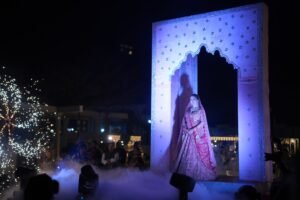
Hospitality Is the Invisible Detail Behind Every Successful Wedding
When weddings run smoothly, guests rarely notice the effort involved.
- That is precisely the point.
- Successful hospitality is often invisible.
- Guests simply enjoy themselves.
- They move effortlessly between events.
- Their questions are answered before they need to ask.
- Their needs are anticipated.
- The celebration feels natural.
- Behind the scenes, however, there is extraordinary coordination.
- Guest management.
- Transportation planning.
- Vendor communication.
- Accommodation oversight.
- Schedule coordination.
- Problem solving.
- The smoother the experience feels, the more planning was likely involved.
- This is one reason experienced wedding planners place such importance on hospitality.
- Because exceptional guest experiences are rarely accidental.
- They are carefully designed.
The Weddings Guests Talk About Years Later
Ask someone about a wedding they attended five years ago.
- The details they remember are rarely surprising.
- They remember the warmth of the welcome.
- The comfort of the experience.
- The laughter shared with family.
- The thoughtful gestures.
- The feeling of being included.
- They may remember a beautiful stage.
- They may remember stunning décor.
- But what they remember most is how the wedding made them feel.
- And that feeling is created through hospitality.
- Not decoration alone.
- At Milaap Weddings, Ankit Makwana believes that beautiful décor should enhance a celebration, not define it.
- Because while décor creates visual impact, hospitality creates emotional impact.
- And emotional impact is what transforms a wedding into a memory.
The Most Beautiful Weddings Balance Both
This does not mean couples should choose hospitality instead of décor.
- The most successful weddings embrace both.
- Beautiful spaces.
- Thoughtful experiences.
- Elegant design.
- Exceptional guest care.
- When these elements work together, something remarkable happens.
- Guests are impressed by what they see.
- And moved by how they feel.
- The celebration becomes visually stunning and emotionally meaningful.
- Because ultimately, the goal is not simply to create a beautiful wedding.
- The goal is to create a beautiful experience.
- And experiences are remembered long after flowers have faded and photographs have been shared.
- That is why hospitality should never be treated as an afterthought.
- It deserves a place at the centre of every wedding planning conversation.
- Because in the end, guests may admire the décor.
- But they will remember the hospitality.
Waiting Too Long to Make Important Decisions
Why Time Is One of the Most Valuable Wedding Planning Resources
When couples begin planning their wedding, time often feels abundant.
- The wedding may be eight months away.
- Perhaps a year.
- Sometimes even longer.
- At first glance, that seems like more than enough time to organise every detail comfortably.
- There is no urgency.
- No immediate pressure.
- No reason to rush decisions.
- And that is precisely why delays often begin.
- A venue shortlist can wait another week.
- The photographer can be finalised next month.
- The planner can be hired later.
- The entertainment options can be explored after the venue is confirmed.
- Every decision feels postponable because the wedding still feels distant.
- What many couples discover, however, is that wedding planning timelines rarely move as slowly as expected.
- Weeks become months.
- Months disappear surprisingly quickly.
- And the decisions that once seemed easy to delay suddenly become urgent.
- At Milaap Weddings, Ankit Makwana often describes wedding planning as a journey where momentum matters.
- The earlier key decisions are made, the smoother the entire planning experience becomes.
- Because every major wedding decision influences the next.
- And when important decisions are delayed, the entire process can begin to feel rushed.
The Perfect Venue Doesn’t Stay Available Forever
One of the most common consequences of delayed decision-making involves venues.
- Couples often spend months researching properties.
- Comparing options.
- Watching wedding videos.
- Seeking recommendations.
- Requesting proposals.
- And while careful evaluation is important, endless evaluation can sometimes become a problem.
- Particularly when highly sought-after venues are involved.
- Popular wedding venues receive enquiries throughout the year.
- Prime wedding dates are often booked far in advance.
- Long weekends disappear quickly.
- Winter wedding dates are especially competitive.
- Destination wedding venues frequently host multiple enquiries for the same dates.
- By the time a couple finally feels ready to commit, their preferred date may no longer be available.
- Sometimes the venue itself remains available.
- But the room inventory has changed.
- Sometimes function spaces become restricted.
- Sometimes accommodation arrangements become more complicated.
- The challenge is not simply losing a preferred venue.
- It is the domino effect that follows.
- Because once a date changes, every other planning element often changes with it.
Every Major Wedding Decision Is Connected
One of the realities many couples underestimate is how interconnected wedding planning truly is.
- The venue influences the date.
- The date influences vendor availability.
- Vendor availability influences photography, entertainment, décor, and hospitality planning.
- Accommodation influences guest management.
- Guest management influences transportation.
- Everything is connected.
- A delay in one area often creates delays elsewhere.
- This is why experienced wedding planners focus on securing foundational decisions first.
- Once the major building blocks are in place, the rest of the planning process becomes significantly easier.
- Without those foundations, every subsequent decision feels uncertain.
- Imagine trying to finalise décor concepts before knowing the venue.
- Or confirming guest logistics before securing accommodation.
- Or planning entertainment without finalising event timings.
- The process quickly becomes complicated.
- Not because the wedding is difficult.
- But because the sequence has been disrupted.
The Vendors You Want Are Often the Vendors Everyone Wants
Most couples spend considerable time researching photographers.
- Wedding filmmakers.
- Makeup artists.
- Entertainment teams.
- Designers.
- Content creators.
- And rightly so.
- These professionals play a significant role in shaping the wedding experience.
- The challenge is that exceptional vendors are rarely available indefinitely.
- The very reason couples want to hire them is often the reason they become booked months in advance.
- Popular photographers may only accept a limited number of weddings each season.
- Certain entertainment acts may have fixed availability.
- Specialised vendors often receive enquiries from multiple weddings simultaneously.
- When decisions are delayed, couples sometimes find themselves choosing from what remains available rather than from what they truly wanted.
- The difference may seem small initially.
- But weddings are often built through the cumulative effect of many small decisions.
- The strongest planning experiences happen when couples choose deliberately rather than reactively.
- And that becomes much easier when important bookings happen early.
Waiting Creates Pressure That Doesn’t Need to Exist
One of the hidden costs of postponing decisions is stress.
- Not financial stress.
- Planning stress.
- The closer a wedding gets, the more visible every unfinished decision becomes.
- What once felt like flexibility begins to feel like urgency.
- Conversations become rushed.
- Vendors need answers.
- Timelines need confirmation.
- Families want updates.
- The planning process becomes reactive rather than strategic.
- This often leads to unnecessary compromises.
- Not because couples lack options.
- But because time has reduced those options.
- At Milaap Weddings, one of the most common observations is that couples who make foundational decisions early tend to enjoy the planning journey more.
- The experience feels calmer.
- More collaborative.
- More enjoyable.
- They spend less time worrying about availability and more time focusing on creating meaningful experiences.
- And ultimately, that is where wedding planning should feel most rewarding.
The Difference Between Being Early and Being Prepared
Making decisions early does not mean rushing into them.
- This distinction is important.
- Thoughtful planning should never feel impulsive.
- Research matters.
- Conversations matter.
- Comparisons matter.
- The goal is not speed.
- The goal is preparedness.
- There is a significant difference between carefully evaluating options and endlessly postponing decisions.
- Prepared couples gather information.
- Ask questions.
- Seek guidance.
- Then move forward with confidence.
- Unprepared couples often continue searching for certainty long after they already have enough information to decide.
- The irony is that wedding planning rarely offers perfect certainty.
- Every decision involves trust.
- Trust in professionals.
- Trust in experience.
- Trust in the vision being created.
- At some point, moving forward becomes more valuable than continuing to search.
Why Momentum Creates Better Weddings
One of the most overlooked advantages of making timely decisions is momentum.
- Momentum creates clarity.
- It builds confidence.
- It allows the planning process to evolve naturally.
- Each completed decision unlocks the next.
- The venue inspires the design.
- The design influences the experience.
- The experience shapes guest planning.
- The guest journey influences hospitality.
- The wedding gradually begins taking shape.
- When momentum exists, planning feels exciting.
- When momentum disappears, planning can begin feeling overwhelming.
- This is why experienced planners often encourage couples to focus on progress rather than perfection.
- Because weddings are not created through a single decision.
- They are created through hundreds of thoughtful decisions made consistently over time.
The Most Relaxed Couples Rarely Leave Everything Until the Last Minute
As weddings approach, a clear pattern often emerges.
Couples who secured key decisions early generally feel more relaxed.
- They have time to refine details.
- Explore ideas.
- Make improvements.
- Focus on experiences.
- Couples who delayed foundational decisions often spend the final months managing unfinished tasks.
- The wedding itself may still be beautiful.
- But the journey becomes more stressful than it needed to be.
- And that is unfortunate.
- Because wedding planning should not feel like a race against time.
- It should feel like an exciting chapter leading toward a meaningful celebration.
- At Milaap Weddings, Ankit Makwana often reminds couples that wedding planning is not about making decisions quickly.
- It is about making important decisions at the right time.
- Because every decision made with clarity creates space for better experiences later.
- And every experience ultimately contributes to the memories that guests, families, and couples carry long after the celebrations have ended.
Great Weddings Are Rarely Built in a Hurry
The most memorable weddings often appear effortless.
- Guests see smooth celebrations.
- Beautiful experiences.
- Thoughtful details.
- Relaxed families.
- Confident hosts.
- What they rarely see is the planning that made those moments possible.
- The conversations held months earlier.
- The decisions made at the right time.
- The preparation that allowed everything to unfold naturally.
- Because great weddings are rarely built through last-minute urgency.
- They are built through thoughtful momentum.
- One decision at a time.
- One step at a time.
- One chapter at a time.
And when those decisions happen with intention rather than pressure, the journey becomes every bit as enjoyable as the celebration itself.
Creating a Schedule That Leaves No Time to Enjoy the Celebration
When More Events Begin to Feel Like a Better Wedding
Few moments in wedding planning are as exciting as imagining the celebrations themselves.
- The Mehendi.
- The Haldi.
- The Welcome Dinner.
- The Cocktail Evening.
- The Sangeet.
- The Wedding Ceremony.
- The Reception.
- The Farewell Brunch.
- Every event feels important.
- Every function feels like an opportunity to create another beautiful memory.
- As inspiration begins to flow, couples often discover even more possibilities.
- A pool party.
- A sundowner gathering.
- A family games session.
- A themed welcome evening.
- A yacht experience.
- A cultural performance.
- A late-night after party.
- Suddenly, what began as a two-day wedding transforms into a carefully packed schedule filled with activities from morning until midnight.
- At first, this feels exciting.
- After all, destination weddings are meant to be immersive experiences.
- The more celebrations, the more memories.
- Or at least that is what many couples assume.
- Yet one of the most common wedding planning mistakes today is not planning too little.
- It is planning too much.
Because while additional events can create excitement, an overloaded schedule can quietly reduce the very experience couples are trying to create.
The Difference Between a Celebration and an Itinerary
Destination weddings are unique because they allow people to spend meaningful time together.
Unlike traditional weddings where guests arrive for a few hours and return home, destination weddings bring everyone into the same environment for several days.
- This creates opportunities that rarely exist in everyday life.
- Friends reconnect after years apart.
- Cousins spend time together again.
- Families share meals, conversations, and experiences.
- Relationships strengthen naturally.
- Yet these moments require something many wedding schedules fail to provide.
- Time.
- Unstructured time.
- The moments between events are often where the most meaningful memories are created.
- A spontaneous conversation over breakfast.
- A late-night discussion overlooking the lake.
- Children playing together around the property.
- Friends laughing by the pool.
- These experiences cannot be scheduled.
- They happen naturally when people have the space to enjoy them.
When every hour is occupied by a planned activity, guests spend more time moving between events than experiencing the destination itself.
The wedding begins to feel less like a celebration and more like an itinerary.
When Guests Become Exhausted Instead of Excited
One of the challenges of destination weddings is that couples experience them differently than guests.
- The couple often sees every event as an important part of their story.
- Guests experience the entire journey.
- Travel.
- Check-ins.
- Accommodation.
- Transportation.
- Multiple outfit changes.
- Late nights.
- Early mornings.
- Back-to-back celebrations.
- While individual events may be enjoyable, the cumulative effect can become exhausting.
- Particularly for elderly family members.
- Parents travelling with young children.
- Guests arriving from different cities and countries.
- Family members who simply need occasional moments to recharge.
- At Milaap Weddings, Ankit Makwana often encourages couples to view the schedule through the eyes of their guests.
- Not every guest has the same energy level.
- Not every guest wants to attend every activity.
- Not every guest experiences destination weddings in the same way.
- A thoughtful schedule respects these differences.
- It creates excitement without creating fatigue.
- Because exhausted guests rarely enjoy celebrations as much as relaxed guests do.
The Pressure to Fill Every Moment
Modern weddings are heavily influenced by visibility.
- Social media showcases beautifully curated celebrations where every hour appears filled with activity.
- Every function has its own identity.
- Every gathering has its own theme.
- Every experience feels highly produced.
- As couples consume this content, they sometimes begin believing that every moment of a destination wedding must be programmed.
- Every gap feels like a missed opportunity.
- Every free afternoon feels incomplete.
- Every quiet evening feels underutilised.
- But weddings are not content calendars.
- They are human experiences.
- People need time to settle into a destination.
- Time to explore.
- Time to connect.
- Time to simply enjoy where they are.
- Ironically, some of the most memorable moments during destination weddings happen when nothing official is happening at all.
- The conversation by the pool.
- The impromptu family photograph.
- The sunset gathering that was never planned.
- The laughter shared between events.
- These moments are difficult to create when every minute has already been assigned a purpose.
Why Every Event Should Have a Reason to Exist
One of the simplest ways to evaluate a wedding schedule is to ask a straightforward question:
“Why does this event exist?”
- The answer should go beyond tradition.
- Beyond trends.
- Beyond social media inspiration.
- Every event should contribute something meaningful to the overall experience.
- Perhaps the Welcome Dinner helps guests settle into the destination.
- Perhaps the Mehendi creates a relaxed atmosphere for family interaction.
- Perhaps the Cocktail Evening encourages celebration before the formal ceremony.
- Each event should serve a purpose.
- Problems arise when functions are added simply because other weddings included them.
- Or because they looked impressive online.
- Or because removing them feels unconventional.
- The strongest wedding schedules are often not the busiest.
- They are the most intentional.
- Every event feels necessary.
- Every gathering contributes something unique.
- Nothing feels repetitive.
- Nothing feels forced.
And as a result, guests remain engaged throughout the celebration.
The Couples Who Enjoy Their Wedding the Most
Interestingly, overloaded schedules do not only affect guests.
They affect couples as well.
Many couples spend months planning extraordinary celebrations only to discover that they barely experienced them.
- The wedding becomes a sequence of obligations.
- Photoshoots.
- Formalities.
- Timelines.
- Coordinated appearances.
- Vendor discussions.
- Family responsibilities.
- Before one event ends, preparations begin for the next.
- By the time the celebrations conclude, many couples realise they spent more time managing the wedding than experiencing it.
- This is one reason experienced planners advocate for breathing room within the schedule.
- Because couples deserve opportunities to enjoy their own wedding.
- To have conversations.
- To spend time with family.
- To absorb moments as they happen.
- Not simply move from one obligation to another.
- A destination wedding should feel like a celebration of a relationship.
- Not a marathon of responsibilities.
The Value of Leaving Space for Unexpected Moments
Some of the most beautiful wedding memories are never planned.
- The emotional conversation between a father and daughter before the ceremony.
- The grandparents sharing stories with younger family members.
- The friends who unexpectedly reunite after years apart.
- The laughter that continues long after an event officially ends.
- These moments happen organically.
- They cannot be scheduled.
- They cannot be designed.
- They simply require space.
- When schedules become too rigid, opportunities for these experiences become limited.
- Guests rush from one event to another.
- Conversations are interrupted.
- Moments remain unfinished.
- The wedding becomes efficient.
- But not necessarily memorable.
- At Milaap Weddings, creating space for spontaneity is often considered just as important as planning formal events.
- Because while timelines create structure, flexibility creates emotion.
- And emotion is ultimately what people remember.
More Does Not Always Mean Better
One of the most valuable lessons couples can learn is that a successful wedding is not measured by the number of functions it includes.
It is measured by the quality of the experience it creates.
A thoughtfully planned three-event celebration can feel far more meaningful than a wedding filled with endless activities.
- Guests do not leave weddings counting functions.
- They leave remembering moments.
- The warmth of the welcome.
- The joy of the celebrations.
- The connections they made.
- The memories they created.
- These experiences are not dependent on quantity.
- They are dependent on intention.
- And intention often requires restraint.
Creating a Wedding That People Can Truly Experience
At Milaap Weddings, Ankit Makwana often reminds couples that destination weddings offer something incredibly valuable.
Time together.
In a world where families live in different cities, friends follow busy schedules, and meaningful gatherings become increasingly rare, destination weddings provide an opportunity to reconnect.
- That opportunity should not be lost beneath an overcrowded itinerary.
- The goal is not to fill every hour.
- The goal is to create experiences worth remembering.
- Sometimes that means adding a special event.
- Sometimes it means leaving an afternoon completely free.
- Sometimes it means choosing quality over quantity.
- Because ultimately, the most successful weddings are not the ones that feel busiest.
- They are the ones that feel balanced.
- Where celebrations are exciting.
- Guests are comfortable.
- Families are connected.
And couples have the opportunity to enjoy every moment they worked so hard to create.
That balance is often what transforms a well-planned wedding into an unforgettable one.
Letting Trends Make Every Decision
When Inspiration Slowly Turns Into Influence
Every wedding begins with inspiration.
- A saved Instagram post.
- A beautifully filmed wedding reel.
- A Pinterest board filled with floral installations and colour palettes.
- A celebrity wedding that captures attention across social media.
- A destination celebration featured on a luxury wedding blog.
- For modern couples, inspiration is available everywhere.
- And that is not necessarily a bad thing.
In fact, inspiration often helps couples discover possibilities they may never have considered before. It introduces new ideas, creative concepts, and unique experiences that can make a wedding feel personal and memorable.
The challenge begins when inspiration quietly becomes influence.
And influence slowly becomes decision-making.
Without even realising it, many couples start planning a wedding based on what they have seen others do rather than what genuinely reflects who they are.
The wedding begins to look beautiful.
But it starts losing its personality.
And that is often where one of the most overlooked wedding planning mistakes begins.
The Age of Pinterest Weddings
A decade ago, wedding inspiration came primarily from family celebrations, magazines, and personal experiences.
Today, a couple can view hundreds of weddings before even beginning their own planning journey.
Within a few minutes of scrolling, they can explore weddings from Udaipur, Jaipur, Tuscany, Bali, Santorini, Dubai, and countless other destinations.
- They see extraordinary décor.
- Perfectly styled ceremonies.
- Designer outfits.
- Luxury venues.
- Grand bridal entries.
- Celebrity performances.
- Fireworks.
- Drone shows.
- Immersive guest experiences.
- The possibilities seem endless.
And while this access to inspiration is exciting, it often creates an unexpected challenge.
Couples begin collecting ideas faster than they define their own vision.
Instead of asking,
“What feels right for us?”
the question gradually becomes,
“What should we include because everyone else seems to be doing it?”
That shift may seem subtle.
But it changes the entire planning process.
Not Every Beautiful Trend Belongs at Every Wedding
One of the reasons trends become popular is because they work beautifully in the right context.
A floral ceiling installation may look breathtaking in a grand ballroom.
A sunset sundowner may feel magical overlooking a lake.
A luxury welcome hamper may perfectly complement a destination wedding experience.
The challenge occurs when trends are adopted without considering whether they fit the wedding itself.
Every wedding has its own personality.
Its own story.
Its own atmosphere.
What works beautifully for one celebration may feel completely out of place at another.
A wedding should feel cohesive.
Not like a collection of unrelated ideas gathered from social media.
At Milaap Weddings, Ankit Makwana often encourages couples to evaluate trends through a simple lens:
“Does this enhance your story, or does it simply follow someone else’s?”
The answer often reveals whether a trend deserves a place within the celebration.
When Weddings Start Looking the Same
One of the ironies of trend-driven weddings is that they often reduce individuality.
Couples spend enormous effort trying to create something unique.
Yet by following the same trends, the same colour palettes, the same décor concepts, and the same experiences that everyone else is using, weddings can begin to feel surprisingly similar.
- The grand floral tunnel.
- The mirrored dance floor.
- The smoke-filled bridal entry.
- The identical photo booths.
- The trending entertainment concepts.
- Individually, none of these elements are problematic.
- The issue arises when they become substitutes for originality.
- Because guests rarely remember weddings for following trends.
- They remember weddings that felt different.
- Authentic.
- Personal.
- Meaningful.
The celebrations that stand out are often those that reflect the couple rather than the algorithm.
Social Media Shows the Highlight Reel, Not the Full Experience
One of the biggest misconceptions created by social media is that visual impact equals wedding success.
- A beautifully edited reel captures a few seconds.
- A wedding lasts several days.
- A photograph captures a moment.
- Guests experience the entire journey.
- What appears extraordinary online may represent only a tiny portion of the actual celebration.
- The stunning floral installation guests admired for ten minutes.
- The dramatic entry sequence that lasted thirty seconds.
- The carefully staged photograph that took an hour to create.
- None of these things are inherently wrong.
- But they represent moments.
- Not experiences.
- The most successful weddings focus on what guests experience rather than what social media captures.
- Because guests remember hospitality.
- Comfort.
- Conversations.
- Energy.
- Connection.
- The things that cannot always be measured through likes and views.
The Pressure to Impress Can Become Expensive
Trends often come with another challenge.
- Escalating expectations.
- Every season introduces new ideas.
- Bigger décor.
- More elaborate entertainment.
- More immersive experiences.
- More visual impact.
- The temptation is understandable.
- Couples naturally want their wedding to feel special.
- But special does not always mean larger.
- And memorable does not always mean expensive.
- Many weddings overspend not because couples genuinely value a particular element, but because they feel pressure to meet perceived expectations.
- An extravagant installation.
- An elaborate stage.
- A trending concept that looked impressive elsewhere.
- These decisions often increase budgets without necessarily improving the guest experience.
The most effective wedding investments are usually the ones that align with the couple’s priorities rather than public expectations.
The Most Memorable Weddings Reflect the Couple
Think about the weddings people talk about years later.
- Rarely are they remembered because they featured the latest trend.
- Instead, they are remembered because they felt personal.
- The couple who incorporated meaningful family traditions.
- The celebration that reflected a shared love for travel.
- The intimate ceremony that prioritised relationships over spectacle.
- The wedding that felt authentic from beginning to end.
- Personality creates emotional connection.
- And emotional connection creates lasting memories.
- Guests may admire trends.
- But they connect with authenticity.
- This is why the most successful weddings often begin not with Pinterest boards but with conversations.
- Conversations about values.
- Relationships.
- Experiences.
- Family traditions.
- Personal stories.
- The details that make a couple unique.
- Because those details can never go out of style.
Trends Should Inspire, Not Define
This does not mean couples should avoid trends entirely.
- Many trends become popular because they genuinely enhance weddings.
- Beautiful design concepts.
- Creative entertainment ideas.
- Innovative guest experiences.
- Fresh approaches to celebrations.
- All of these can add value when used thoughtfully.
- The goal is balance.
- To take inspiration without surrendering identity.
- To embrace creativity without losing authenticity.
- To borrow ideas while remaining true to the story being celebrated.
- At Milaap Weddings, planning often begins by understanding the couple first.
- Only then do discussions move toward décor, experiences, and creative concepts.
- Because once the story is clear, it becomes easier to identify which trends genuinely support that story.
- And which ones simply create noise.
A Wedding Should Feel Timeless, Not Temporary
One of the hidden advantages of prioritising authenticity over trends is longevity.
- Trends change.
- Styles evolve.
- What feels fashionable today may feel dated a few years from now.
- Personal stories remain meaningful.
- Family traditions remain valuable.
- Authentic experiences remain memorable.
- When couples build their wedding around who they are rather than what is currently popular, the celebration develops a timeless quality.
- It feels relevant not just for a season, but for years to come.
- The photographs age gracefully.
- The memories remain meaningful.
- The experience continues to feel genuine.
- And that is ultimately what most couples hope to create.
- Not a wedding that impresses people for a few moments.
- But a wedding that remains meaningful for a lifetime.
Creating a Celebration That Feels Like Yours
At Milaap Weddings, Ankit Makwana often reminds couples that trends are tools, not directions.
- They are meant to inspire ideas, not replace identity.
- The purpose of wedding planning is not to recreate what has already been done.
- It is to create something that feels authentic to the people at the centre of the celebration.
- Because long after the latest trend has disappeared and social media has moved on to something new, what remains is the experience itself.
- The memories.
- The relationships.
- The emotions.
- The moments shared with family and friends.
- And those moments become unforgettable not because they followed a trend.
- But because they felt real.
- Because they felt personal.
- Because they felt like your story.
Underestimating the Importance of a Realistic Budget
Why Budget Conversations Often Begin Too Late
Among all the conversations that take place during wedding planning, budget discussions are often the most uncomfortable.
- Venues are exciting.
- Décor concepts are inspiring.
- Wedding outfits create anticipation.
- Entertainment options spark enthusiasm.
- Budget conversations, however, tend to feel different.
- Many couples postpone them.
- Some avoid them altogether.
- Others begin planning first and discuss finances later.
- At first, this approach seems harmless.
- After all, dreaming comes naturally.
- Numbers can wait.
- Yet one of the most common wedding planning mistakes is treating the budget as a limitation rather than a planning tool.
- Because a realistic budget is not meant to restrict a wedding.
- It is meant to guide it.
- The earlier financial expectations are aligned with the overall vision, the smoother the planning process becomes.
- The later those conversations happen, the more difficult certain decisions become.
- At Milaap Weddings, Ankit Makwana often explains that successful wedding budgets are not about spending less.
- They are about spending intentionally.
- And intentional spending begins with clarity.
The Wedding You Imagine and the Wedding You Budget For Should Match
Every couple begins planning with a vision.
- Perhaps they imagine a luxurious destination wedding in Udaipur.
- A multi-day celebration surrounded by family and friends.
- Beautiful hospitality.
- Elegant décor.
- Exceptional entertainment.
- Meaningful experiences.
- There is nothing wrong with dreaming big.
In fact, a clear vision is one of the most valuable starting points in wedding planning.
The challenge arises when expectations and budgets develop independently of one another.
Couples sometimes build a vision inspired by weddings they have seen online without fully understanding the investment required to create a similar experience.
- They fall in love with destinations.
- Venues.
- Experiences.
- Design concepts.
- Only later discovering that some elements may not align with their planned budget.
- This often creates frustration.
- Not because expectations were unrealistic.
- But because expectations and financial planning were never aligned from the beginning.
- A realistic budget helps bridge that gap.
- It transforms aspirations into achievable decisions.
- And it allows couples to plan confidently rather than constantly reassessing their choices.
More Money Does Not Always Create a Better Wedding
One of the biggest misconceptions in wedding planning is the belief that larger budgets automatically create better experiences.
While budget certainly influences possibilities, memorable weddings are rarely defined solely by how much was spent.
- Guests do not leave discussing spreadsheets.
- They leave remembering moments.
- The welcome they received.
- The hospitality they experienced.
- The conversations they shared.
- The emotions they felt.
A thoughtfully planned wedding with clear priorities often creates a stronger experience than a larger wedding where resources are allocated without intention.
At Milaap Weddings, planning discussions frequently focus on identifying what matters most to the couple.
- Some prioritise hospitality.
- Others prioritise photography.
- Some value intimate experiences.
- Others dream of spectacular celebrations.
- There is no universally correct answer.
- The key is ensuring that the budget reflects those priorities.
- Because when every element is treated as equally important, resources become stretched.
- And when priorities are clear, investments become more meaningful.
The Danger of Trying to Have Everything
Modern weddings offer endless possibilities.
- Luxury venues.
- Designer décor.
- Celebrity performances.
- Immersive experiences.
- Personalised gifting.
- Destination activities.
- Curated entertainment.
- Exclusive photography concepts.
- Every option feels appealing.
- Every addition feels worthwhile.
- And individually, many of these ideas genuinely enhance a wedding.
- The challenge is that every addition affects the overall budget.
- One extra feature rarely remains isolated.
- It influences resources elsewhere.
- This is where many couples unintentionally create pressure for themselves.
- Instead of prioritising, they attempt to include everything.
- The result is often a wedding that feels financially stretched without necessarily feeling more meaningful.
- The strongest weddings are rarely the ones that include every available option.
- They are the ones that make thoughtful choices.
- Choices that support the overall experience rather than simply increasing the number of features.
Understanding the Difference Between Cost and Value
One of the most valuable budgeting lessons any couple can learn is the difference between cost and value.
- Cost is numerical.
- Value is emotional.
- Two wedding elements may require similar investments while creating completely different impacts.
- A certain expenditure may look impressive but contribute little to guest experience.
- Another may go largely unnoticed while significantly improving comfort, convenience, and overall satisfaction.
- This is why experienced wedding planners evaluate investments differently.
- They focus not only on what something costs.
- But on what it contributes.
- Does it improve hospitality?
- Does it create meaningful memories?
- Does it enhance the guest experience?
- Does it support the couple’s vision?
- These questions often reveal where resources create the greatest value.
- Because the goal is not simply to spend money.
- The goal is to create experiences worth remembering.
Why Guest Experience Deserves a Larger Share of the Budget
When couples first begin budgeting, visual elements often receive significant attention.
- Décor concepts.
- Entertainment ideas.
- Ceremony designs.
- These are easy to imagine because they are highly visible.
- Guest experience, however, often feels less tangible.
- Until the wedding begins.
- Then its importance becomes immediately apparent.
- Comfortable accommodation.
- Smooth transportation.
- Thoughtful hospitality.
- Efficient coordination.
- Excellent food.
- Clear communication.
- These elements influence every guest throughout the celebration.
- Unlike a single event or visual installation, hospitality impacts the entire experience.
- This is why Milaap Weddings frequently encourages couples to allocate resources toward guest experience early in the planning process.
- Because guests may admire visual details.
- But they experience hospitality continuously.
- And continuous experiences often create the strongest memories.
Budget Flexibility Is Just as Important as Budget Planning
One of the realities of wedding planning is that not every detail can be predicted perfectly.
- Ideas evolve.
- Priorities shift.
- Unexpected opportunities appear.
- Certain elements require adjustment.
- This is normal.
- Yet many couples create budgets that leave no room for flexibility.
- Every rupee is assigned.
- Every category is fixed.
- Every decision feels final.
- The problem with this approach is that weddings are dynamic.
- The planning process often reveals new possibilities.
- A venue upgrade.
- An experience worth including.
- A meaningful family addition.
- An enhancement that genuinely improves the celebration.
- Without flexibility, these opportunities can become difficult to accommodate.
- A realistic budget should provide structure.
- But it should also provide breathing room.
- Because flexibility often reduces stress while improving decision-making.
The Most Successful Budgets Support the Vision
At Milaap Weddings, Ankit Makwana often describes budgeting as an extension of storytelling.
- Because budgets and experiences are deeply connected.
- Every financial decision influences the story guests eventually experience.
- The atmosphere.
- The hospitality.
- The comfort.
- The entertainment.
- The memories.
- A strong budget does not dictate the wedding.
- It supports the vision behind it.
- When budgeting is approached thoughtfully, decisions become easier.
- Priorities become clearer.
- Compromises feel intentional rather than disappointing.
- And the planning process becomes significantly more enjoyable.
- Because instead of constantly asking,
- “Can we afford this?”
- couples begin asking,
- “Does this support the experience we want to create?”
- That shift changes everything.
Weddings Are Remembered for Experiences, Not Numbers
Years after a wedding, very few people remember the budget.
- Guests do not discuss allocations.
- Families do not reflect on spreadsheets.
- Photographs do not reveal financial planning.
- What remains are experiences.
- The laughter.
- The celebrations.
- The conversations.
- The moments that brought people together.
- The memories that continue long after the wedding has ended.
- This is why realistic budgeting matters so much.
- Not because it controls spending.
- But because it helps create balance.
- It ensures that resources support what truly matters.
And when that balance exists, couples are free to focus on the purpose of the celebration rather than the pressure of managing it.
Because ultimately, the most successful wedding budgets are not the ones that spend the most.
They are the ones that help create the most meaningful experiences.
And those experiences are what people remember long after every invoice has been forgotten.
Trying to Manage Everything Without Professional Guidance
The Desire to Stay in Control
Every couple wants their wedding to feel personal.
After all, it is one of the most significant celebrations of their lives.
The excitement begins months before the wedding day. Ideas start flowing. Pinterest boards are created. Family discussions become more frequent. Venues are shortlisted. Guest lists evolve. Inspiration comes from everywhere.
During this phase, many couples naturally believe they can manage most of the planning themselves.
- And in the beginning, that belief often feels reasonable.
- After all, how difficult can it be?
- Book a venue.
- Confirm a few vendors.
- Plan the events.
- Coordinate the guests.
- Manage the timeline.
- Everything appears manageable when viewed individually.
- The challenge is that weddings are never a collection of individual tasks.
- They are a collection of interconnected experiences.
- And as the wedding grows, so does the complexity behind it.
- What initially feels like excitement can gradually become overwhelming.
- Not because couples are incapable.
- But because wedding planning requires a different type of expertise than most people realise.
What Guests See Is Only a Small Part of the Wedding
One of the reasons wedding planning appears simpler than it actually is is because guests only see the finished result.
- They see the beautiful venue.
- The elegant décor.
- The seamless celebrations.
- The smiling hosts.
- The carefully planned events.
- What they do not see are the hundreds of decisions that made those moments possible.
- The vendor discussions.
- The logistics planning.
- The accommodation management.
- The transportation schedules.
- The guest coordination.
- The contingency plans.
- The last-minute problem solving.
- The countless details working quietly behind the scenes.
- A successful wedding often feels effortless.
- Ironically, that effortless feeling is usually the result of extraordinary preparation.
- Because weddings are not measured by how much planning was visible.
- They are measured by how little disruption guests experienced.
The Hidden Complexity Behind Every Celebration
Imagine a destination wedding with 150 guests.
- On the surface, it appears straightforward.
- Guests arrive.
- Functions take place.
- Everyone celebrates.
- Yet behind that experience lies an intricate system of coordination.
- Flight arrivals.
- Hotel check-ins.
- Room allocations.
- Vendor schedules.
- Entertainment timelines.
- Transportation routes.
- Family requirements.
- Ceremony preparations.
- Hospitality management.
- Emergency contingencies.
- Communication plans.
- Every element influences another.
- A delayed check-in can affect guest comfort.
- A transportation issue can impact event timings.
- A vendor delay can influence multiple functions.
- A small oversight can quickly affect the overall experience.
- The larger the celebration becomes, the more important coordination becomes.
- And coordination is often where professional planning delivers its greatest value.
Family Members Should Be Guests Too
One of the most common situations seen at weddings involves family members spending the entire celebration solving problems.
- Parents answering logistical questions.
- Siblings coordinating vendors.
- Relatives managing transportation.
- Friends handling guest concerns.
- Instead of enjoying the wedding, they become part-time event managers.
- The intention is always good.
- Everyone wants to help.
- Everyone wants the celebration to succeed.
- Yet there is a hidden cost.
- The people closest to the couple often miss the opportunity to fully experience the wedding themselves.
- Moments become responsibilities.
- Conversations become coordination.
- Celebrations become tasks.
- Years later, many families remember how busy they were rather than how much they enjoyed the experience.
- A wedding should allow loved ones to participate emotionally.
- Not spend the entire event managing operations.
Planning a Wedding and Executing a Wedding Are Very Different Things
Many couples successfully plan their wedding.
- They choose the venue.
- Finalise the vendors.
- Select the décor.
- Approve the menus.
- Create the timeline.
- From a planning perspective, everything feels complete.
- Then the wedding day arrives.
- And execution begins.
- This is where many people discover the difference between planning and coordination.
- Planning answers the question:
- “What should happen?”
- Execution answers the question:
- “How will it happen in real time?”
- The wedding schedule may look perfect on paper.
- But real events rarely unfold exactly as planned.
- Flights get delayed.
- Weather changes.
- Guests arrive late.
- Timelines shift.
- Unexpected requests emerge.
- Someone needs to make decisions quickly.
- Someone needs to communicate with vendors.
- Someone needs to manage adjustments without creating stress for the couple or their families.
- This responsibility requires attention throughout the celebration.
- And it often becomes impossible for couples to manage while also enjoying their wedding.
Why Experience Matters More Than Most Couples Realise
Wedding planning is not simply about organisation.
- It is about anticipation.
- Experienced planners often identify challenges before they occur.
- They understand timelines.
- Guest behaviour.
- Vendor coordination.
- Hospitality flow.
- Risk management.
- Because they have seen similar situations before.
- This experience creates confidence.
- Not because problems never occur.
- But because solutions are already being considered.
- At Milaap Weddings, Ankit Makwana often explains that the goal of planning is not perfection.
- The goal is preparedness.
- Every wedding contains variables.
- The difference lies in how effectively those variables are managed.
- Experience helps transform uncertainty into confidence.
- And confidence creates a calmer planning journey.
The Best Wedding Planning Often Goes Unnoticed
One of the most interesting aspects of professional wedding planning is that guests rarely notice it.
- And that is exactly how it should be.
- Guests should not be aware of logistical challenges.
- They should not see last-minute adjustments.
- They should not experience operational disruptions.
- Instead, they should experience smooth celebrations.
- Comfort.
- Hospitality.
- Effortless transitions between events.
- The best planning is often invisible.
- Everything simply works.
- The couple remains relaxed.
- Families remain present.
- Guests remain engaged.
- The celebration feels natural.
- Behind the scenes, however, countless moving parts are being managed simultaneously.
- That invisible coordination is often what transforms a good wedding into an exceptional one.
Wedding Planning Is Ultimately About Creating Experiences
Many people assume wedding planners primarily organise vendors and schedules.
While those responsibilities are important, they represent only a portion of the role.
- The larger responsibility is experience creation.
- How will guests feel when they arrive?
- How will families interact throughout the celebration?
- How will transitions between events occur?
- How will hospitality be delivered?
- How will memories be created?
- These questions go beyond logistics.
- They influence the emotional experience of the wedding.
- Because successful weddings are not remembered for operational efficiency.
- They are remembered for the way they made people feel.
- And creating those feelings requires intentional planning.
Giving Yourself Permission to Enjoy Your Own Wedding
Perhaps the greatest benefit of professional guidance is not convenience.
- It is presence.
- The ability to be fully present during one of the most meaningful moments of your life.
- Too many couples spend months planning extraordinary weddings only to experience them through stress and responsibility.
- The goal should be the opposite.
- The planning should absorb the stress so the celebration can absorb the joy.
- At Milaap Weddings, Ankit Makwana believes that wedding planning should create freedom.
- Because when people are free to focus on each other rather than logistics, the celebration becomes far more meaningful.
Great Weddings Feel Effortless Because Someone Is Managing the Details
- The most memorable weddings often share a common quality.
- They feel effortless.
- Guests arrive comfortably.
- Events flow naturally.
- Families remain relaxed.
- Couples remain present.
- The experience unfolds without visible stress.
- Of course, no wedding is truly effortless.
- There are always details.
- Challenges.
- Adjustments.
- Unexpected moments.
- The difference is that someone is managing them.
- Someone is thinking ahead.
- Someone is coordinating behind the scenes.
- Someone is protecting the experience.
- And that protection allows everyone else to focus on what matters most.
- The celebration.
- The relationships.
- The memories.
- The moments that cannot be recreated.
- Because ultimately, wedding planning is not about controlling every detail.
- It is about creating an environment where meaningful moments can happen naturally.
- And when that happens, the wedding becomes more than an event.
- It becomes an experience people remember for years to come.